12 hr
Mostar and Kravica Waterfall Day Trip from Dubrovnik
Discover Bosnia-Herzegovina's natural wonders and historic treasures on this full-day excursion
Reserve
Hand-picked by our editors — only the best 5 experiences from 12 reviewed.
Verified partners for every tour, free cancellation where available, and instant confirmation on every booking.
12 hr
Discover Bosnia-Herzegovina's natural wonders and historic treasures on this full-day excursion
Reserve
12 hr
Cross into Bosnia & Herzegovina to visit the historic bridge city of Mostar and swim at stunning Kravica Falls
Reserve
12 hr
Cross into Bosnia and Herzegovina to witness stunning waterfalls, Ottoman heritage, and medieval villages
ReservePrices from verified partners. Availability updates in real time at checkout. Free cancellation policies apply where shown.
The landmarks, rooms, and views travelers on this tour remember — all visible on a single visit.
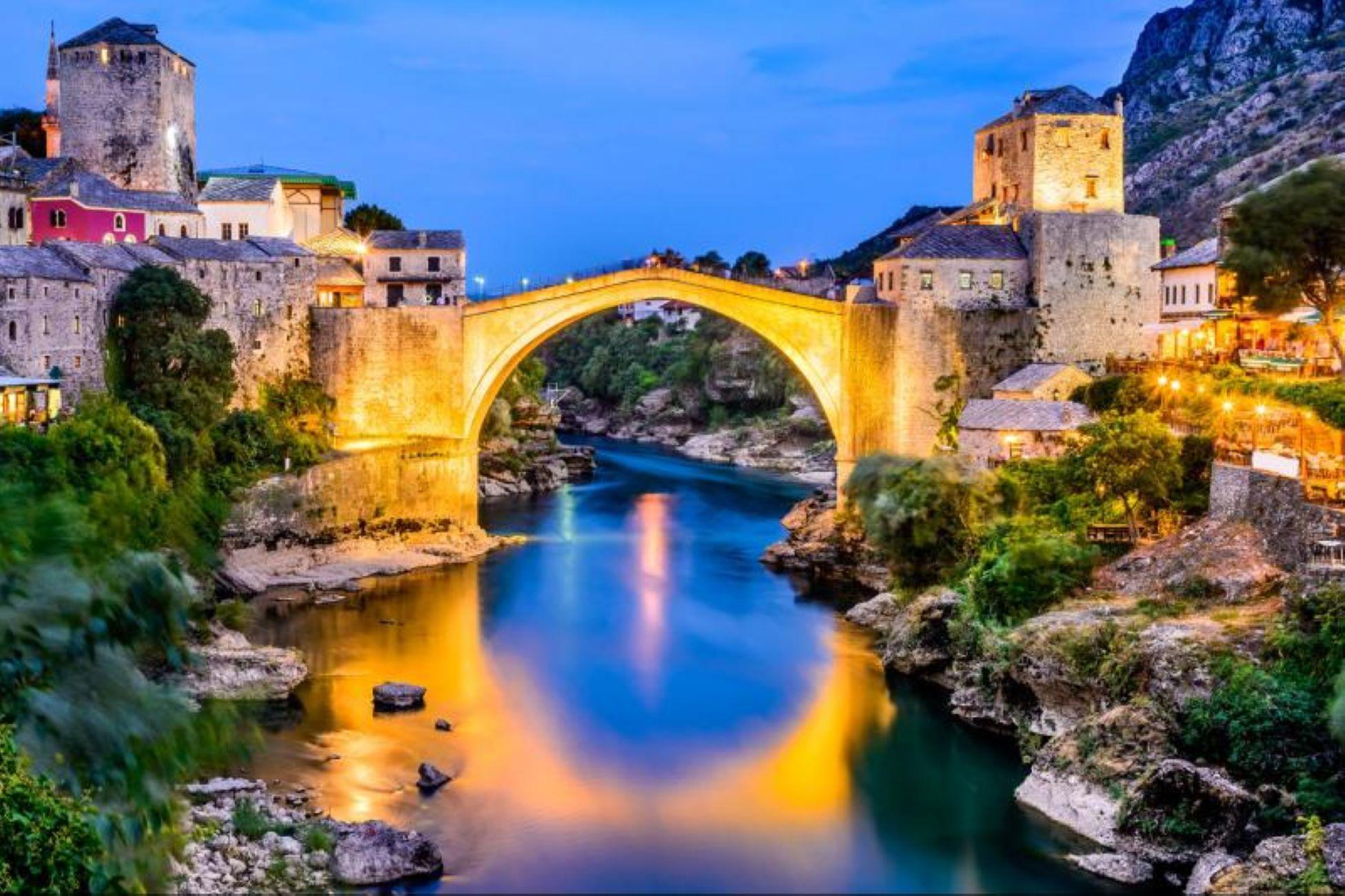
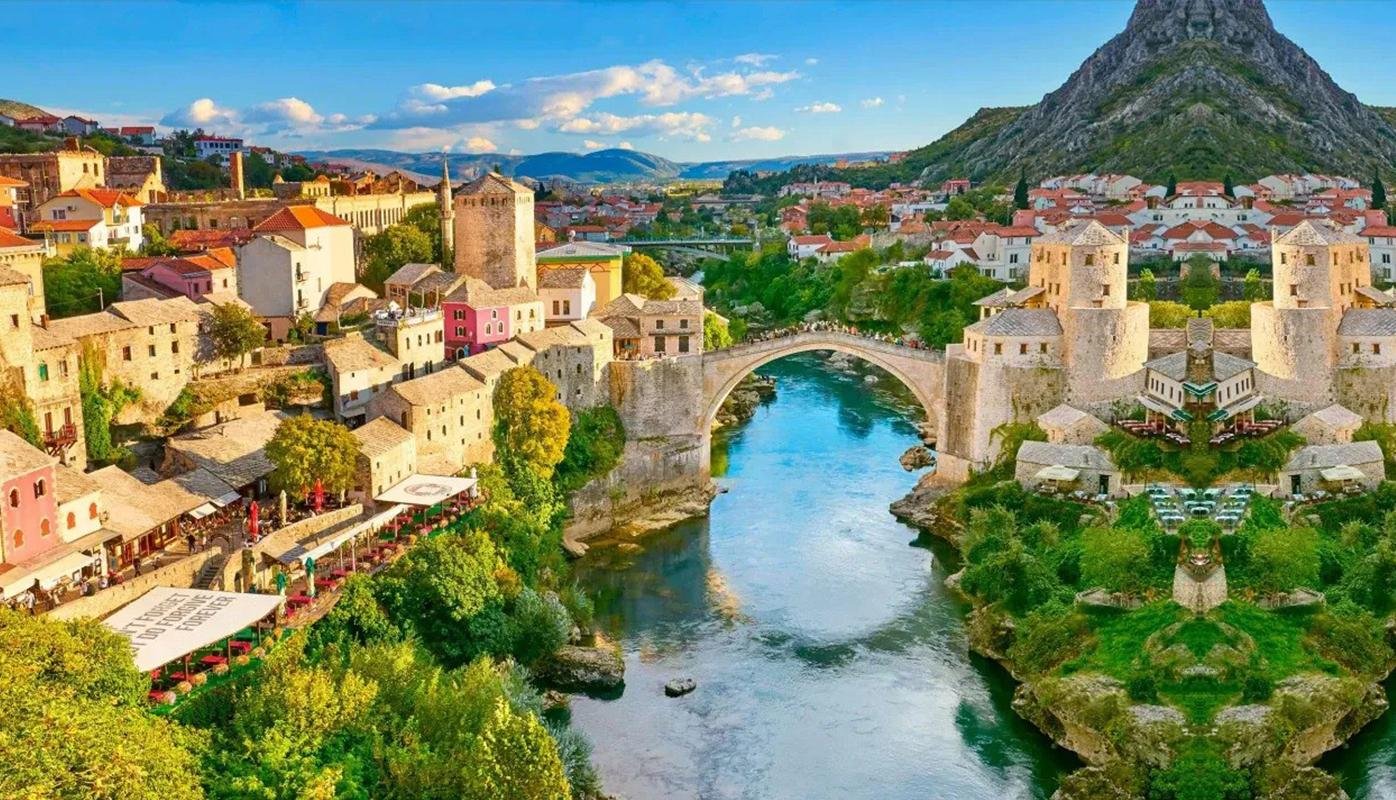
This 16th-century bridge spans the Neretva River and stands as a primary Bosnian symbol. The arch is constructed from local Tenelija stone and has been expertly restored.
Capture the symmetry of the arch from the riverbank below. This is the most famous angle for your Mostar bridge photography.
Located adjacent to the bridge, this area features artisan copper crafts and traditional woven items. It is an essential stop on any cavtat to mostar tour.
The turquoise water provides a striking contrast to the white stone of the bridge. It defines the natural landscape of this UNESCO heritage site.
This small museum details the history and reconstruction of the bridge after the 1990s conflict. It provides deep historical context for your visit.
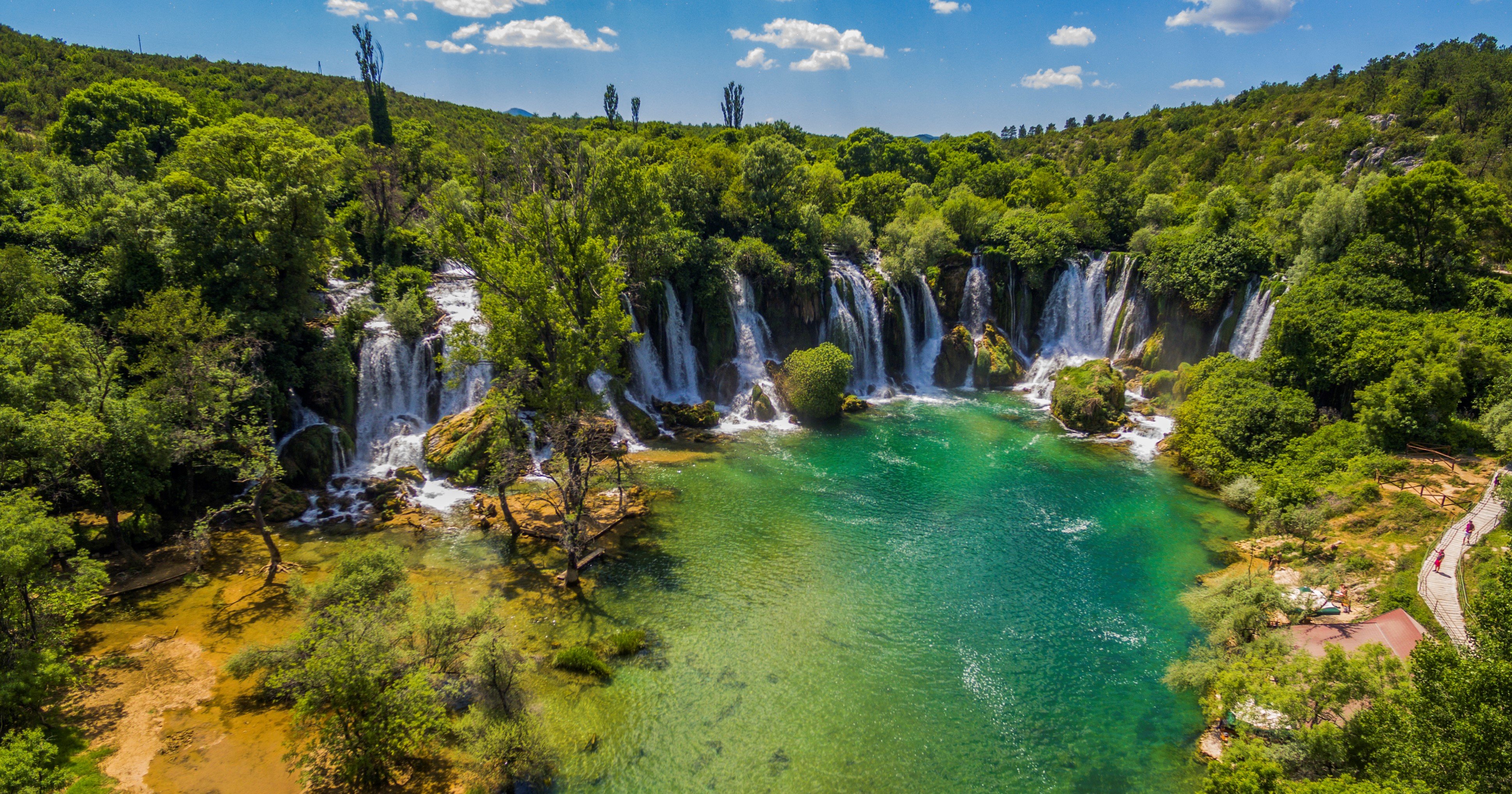
They offer distinct experiences; travelers often find the architectural significance of Stari Most more profound, while the nature-centric Kravica Waterfalls provide a refreshing escape. Selecting the right cavtat to mostar tour depends on whether you prefer immersive historical exploration or active outdoor relaxation.
| Feature | Top pick Stari Most | Kravica Waterfalls |
|---|---|---|
Primary Focus |
Architectural heritage | Natural landscape scenery |
Accessibility |
Urban pedestrian access | Moderate hiking required |
Walking Intensity |
Low to moderate | Moderate to high |
Optimal Time of Year |
May to September | June to August |
Typical Duration |
1–2 hours | 2–4 hours |
Visitor Activity |
Sightseeing and photography | Swimming and nature walks |
| See tickets → |
Verdict: Prioritize the UNESCO heritage site of Stari Most for its cultural weight, or choose Kravica Waterfalls for a scenic excursion during your cavtat to mostar tour tours experience.
Choose your ticket, select your date, and reserve in under two minutes. Secure checkout handled by our verified partner.
Instant confirmation by email, with a mobile voucher you can save offline. No printing, no queuing at a collection desk.
Arrive at the entrance, show your voucher on your phone, and walk in. Most tickets include priority or skip-the-line access.
Practical details for your visit straight from our verified partners — hours, access, rules, and how to get there.
Mostar City Center
Look for official tour guides
Follow M6.1 or E73 routes toward Mostar city center.
Regular services connect coastal towns to the Mostar bus station.
Casual attire is appropriate for a cavtat to mostar tour visit. Comfortable walking shoes are essential due to the uneven cobblestones on the bridge.
There are no security checks or bag restrictions for the bridge itself. Keep personal belongings secure while navigating crowds during your cavtat to mostar tour.
Photography is permitted everywhere on the bridge. The best lighting for your cavtat to mostar tour occurs during the early morning hours.
The bridge features a steep, arched design with stone steps. Wheelchair access is challenging, but the surrounding Old Town areas are partially accessible.
Cellular service is available throughout the site. Use of phones for navigation is helpful when exploring the wider Mostar area.
Families should supervise children closely on the bridge, especially when wet or crowded. A cavtat to mostar tour provides a memorable educational experience for older children.
Local cafes and restaurants surround the bridge. Consumption of food while walking the bridge is discouraged to keep the historical surface clean.
Pets are allowed on the bridge if kept on a short leash. Be mindful of narrow walkways and potential crowds during your Mostar landmarks visit.
The bridge is a pedestrian-only zone. Expect to spend approximately 30-60 minutes fully exploring the structure and viewpoints.
Best time to go, insider tips, nearby landmarks, and the cancellation fine print — flip through to skim what matters to you.
How crowds, weather, and events shift across the year.
Mild temperatures and thinner crowds make for a pleasant cavtat to mostar tour.
Expect high temperatures and peak pedestrian traffic during these months.
Clear skies provide excellent photography conditions for your Mostar bridge tour.
Quietest period, though bridge stones can be slippery in rainy weather.
Small details that turn a good visit into a great one.
Arrive between 06:00–09:00 for the best bridge access.
Wear shoes with good grip to handle the incline.
Carry local currency for small purchases in the bazaar.
Look for lower river banks for the classic bridge silhouette.
Do not attempt to jump from the bridge.
Non-bookable sights within a short walk — free to visit, easy to pair.
Features a minaret with views of the bridge.
Traditional old bazaar with copper shops.
Flexible, no hidden fees.
Full refunds are available for any cavtat to mostar tour booking canceled at least 24 hours in advance. As entry to Stari Most is 0 EUR, tour prices reflect transport and guide services.
Hand-picked options within walking distance — pick a district for vibe, or a specific hotel for convenience.
Central location within walking distance.
Views of the Neretva River.
Stari Most stood for 427 years before a single tank shell reduced Mostar's Ottoman bridge to rubble in November 1993. The original structure, commissioned by Suleiman the Magnificent in 1557 and completed by architect Mimar Hayruddin in 1566, spanned the Neretva River with a single 28.7-metre limestone arch—wider than any stone bridge built in the Balkans before it. The bridge's name, "Old Bridge," became ironic only after its destruction; for centuries it was simply "the bridge," the unchallenged centrepiece of a market town where Venetian merchants met Ottoman craftsmen. UNESCO funded its reconstruction using limestone from the original quarries at Tenelija Hill, and the rebuilt span opened in July 2004, replicating every dimension of the 16th-century original. Today Stari Most anchors a UNESCO World Heritage ensemble that extends across both banks, encompassing 28 protected monuments within a 24.28-hectare zone. The bridge itself carries no vehicular traffic; its 4.49-metre width accommodates only pedestrians, and the limestone treads, worn smooth by half a millennium of foot traffic, remain slick after rain. Two fortified towers—Helebija on the northeast bank and Tara on the southwest—frame the crossing, their interiors converted to small museums documenting the bridge's destruction and reconstruction. The Kujundžiluk quarter on the east bank retains its Ottoman-era street plan, a warren of coppersmith workshops, carpet stalls, and coffeehouses pressed into buildings that predate the 17th century. The cavtat to mostar tour departs from Croatia's Adriatic coast and crosses the border at Zaton Doli, entering Bosnia and Herzegovina's southernmost canton. Most day trips pair Stari Most with stops at Kravica Waterfalls—a 120-metre-wide travertine cascade 40 kilometres south of Mostar—and the medieval fortress town of Počitelj, whose stone citadel overlooks the Neretva from a limestone bluff. The route follows the M6 highway through the Neretva Valley, passing pomegranate orchards and tobacco fields before climbing into the karst highlands that separate the Adriatic watershed from the inland Dinaric basin. The border crossing adds 30 to 45 minutes to the journey depending on queue length, and Bosnia uses the convertible mark, pegged at 1.95583 to the euro, though vendors near Stari Most accept both currencies. Mostar's microclimate, sheltered by the Velež and Prenj massifs, produces summer highs that routinely exceed 35°C, and the bridge's unshaded limestone surface radiates stored heat well into the evening. The site imposes no entrance fee for crossing Stari Most itself, though the tower museums charge separate admission. The bridge's reconstruction adhered to 16th-century masonry techniques, including the use of tenons—metal pins that lock adjacent stones together without mortar—and the original recipe for the lime-based adhesive that binds the arch's inner stones. The result is a structure that carries the visual and tactile weight of the Ottoman original, authenticated by UNESCO as a faithful reconstruction of a monument that, for a decade, existed only in collective memory and archival photographs.
"The rebuilt span replicates every dimension of the 16th-century original, using limestone from the same quarries at Tenelija Hill."
A step-by-step walkthrough of the visit — what you'll see, how long each stage takes, and the details that matter.
You cross into Bosnia at Zaton Doli, passport stamped twice before the coach climbs into the Dinaric karst, tobacco fields giving way to limestone scarps. The Neretva appears first as a green thread in the valley floor, then widens as the road descends into Mostar's basin. You step onto Stari Most from the west bank, the limestone treads worn concave by centuries of foot traffic, and pause mid-span where the arch crests 21 metres above the river. Swallows nest in the crevices of Tara Tower, their calls echoing off the water. The bridge's 4.49-metre width funnels pedestrian traffic into single file when tour groups converge, and the stone surface offers no shade—by noon the limestone radiates stored heat through shoe soles. You walk east into Kujundžiluk, the coppersmith quarter, where workshop doorways exhale the scent of coal fires and brass filings. Copper trays, hand-hammered into geometric patterns, hang from hooks drilled into 400-year-old lintels. You descend stone steps to the riverbank, where cafe tables occupy a terrace shaded by plane trees, and watch a local diver climb the bridge's parapet—a ritual jump performed for tips since Ottoman times. The crossing back to the west bank offers a different perspective: Helebija Tower frames the minaret of Koski Mehmed Pasha Mosque, built in 1618, its pencil-thin silhouette backlit by the Velež massif. You return to the coach at the designated pickup point near the Musala Square roundabout, the tour's next stop—Kravica Waterfalls or Počitelj fortress—already loaded into the day's itinerary.
Stari Most is open 00:00–23:59 daily.
Entrance to the bridge is 0 EUR (Free entry).
The best arrival window is 06:00–09:00 for a better cavtat to mostar tour experience.
As the bridge is a public landmark, there are no skip-the-line cavtat to mostar tour tickets required.
The bridge has steep steps and is not fully accessible for wheelchairs during your cavtat to mostar tour.
Yes, photography is allowed and encouraged on the Stari Most during your visit.
Prohibited items include drones, fireworks, and hazardous materials at this UNESCO heritage site.
A typical cavtat to mostar tour visit lasts about one hour on the bridge itself.
Yes, children are welcome on a cavtat to mostar tour when supervised by adults.
Full refunds are available for a cavtat to mostar tour tour canceled 24 hours before the departure time.